
Why Grade R & the Foundation Phase Matter
Introduction
The early years of a child’s education are the most critical in shaping their future success. Grade R and the Foundation Phase (Grades R–3) lay the groundwork for all future learning, development, and social interaction. Investing in quality early education is not just beneficial—it is essential.
What is Grade R and the Foundation Phase?
Grade R (Reception Year) is the first step into formal schooling, designed to prepare children for structured learning. The Foundation Phase, which includes Grades R to 3, focuses on building essential skills in literacy, numeracy, and life skills.
These years are not simply about learning to read and write—they are about learning how to learn.
Building Strong Academic Foundations
During the Foundation Phase, children develop core academic skills that they will rely on throughout their education:
- Literacy: Learning to read, write, and understand language
- Numeracy: Basic mathematics and problem-solving skills
- Comprehension: Understanding instructions and expressing ideas clearly
A strong start here reduces the risk of future learning difficulties and improves overall academic performance.
Social and Emotional Development
Beyond academics, Grade R plays a vital role in shaping a child’s emotional intelligence and social skills. Children learn how to:
- Interact with peers
- Share and cooperate
- Follow rules and routines
- Manage emotions
These skills are essential for both school readiness and long-term personal development.
Encouraging Confidence and Independence
The Foundation Phase helps children build confidence in their abilities. Through guided learning and play-based activities, children begin to:
- Make decisions on their own
- Solve problems independently
- Take responsibility for small tasks
This sense of independence becomes the foundation for future leadership and self-discipline.
The Role of Play-Based Learning
One of the most powerful aspects of Grade R is play-based learning. Structured play helps children explore creativity, develop motor skills, and engage in critical thinking.
Activities such as storytelling, drawing, building, and group play are not just fun—they are essential learning tools that stimulate brain development.
Bridging the Gap Between Home and School
Grade R acts as a transition between home life and formal schooling. It introduces children to a structured environment while still maintaining a nurturing and supportive atmosphere.
This transition helps reduce anxiety and prepares children for the expectations of higher grades.
Long-Term Benefits
Children who receive quality education in the Foundation Phase are more likely to:
- Perform better academically in later years
- Have higher self-esteem and confidence
- Develop stronger communication skills
- Stay engaged and motivated in school
Early investment in education leads to long-term success, both academically and socially.
Conclusion
Grade R and the Foundation Phase are not just early schooling stages—they are the building blocks of a child’s future. By focusing on holistic development, these years shape confident, capable, and well-rounded individuals.
For parents, educators, and communities, prioritizing early childhood education is one of the most powerful steps toward building a brighter future.
Featured Local Provider
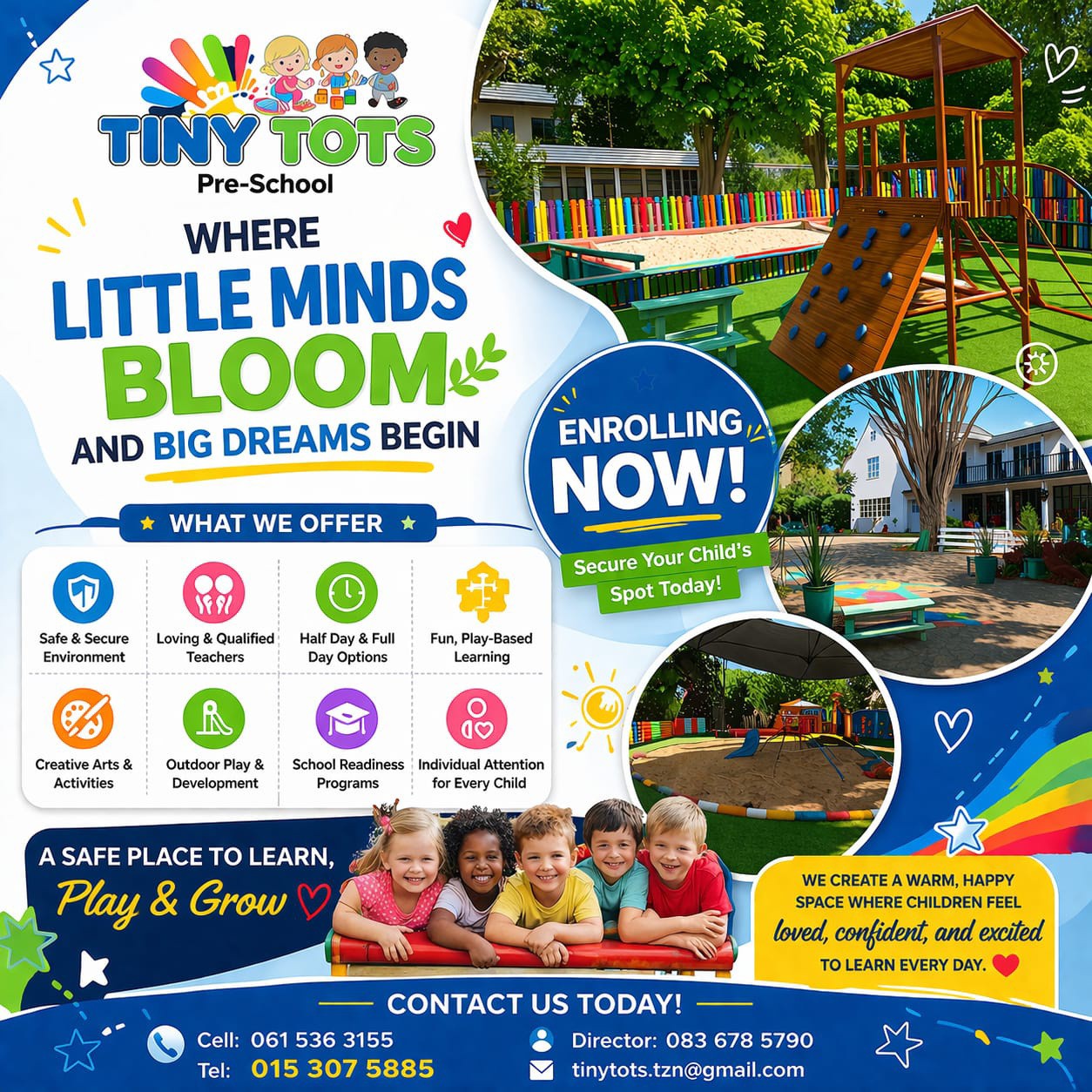
Tiny Tots Pre-School offers Grade R and Foundation Phase preparation, along with a nurturing, play-based learning environment that supports each child’s growth.
View their info page for contact details and more information:
https://tzaneen.iinfo.co.za/listing/tiny-tots-pre-school/
Looking to find trusted schools, daycare centres, or educational services in your area? You can also add your own free info page on IINFO to promote your services and reach more customers. Visit iinfo.co.za to get started.


